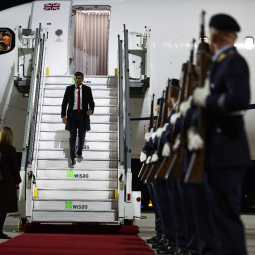
UK lifts defence spending to ‘war footing’
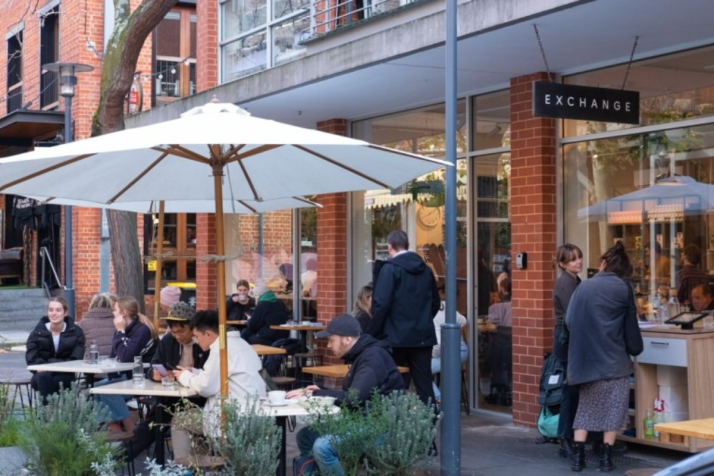
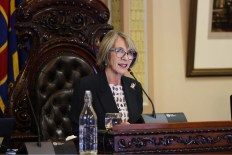
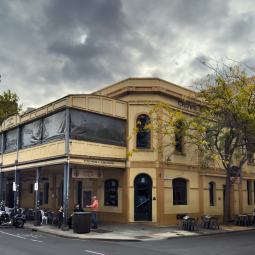
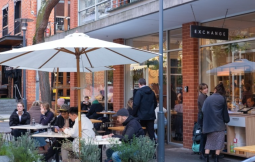
Adelaide City Council has rejected a bid to suspend outdoor dining fees for restaurants and cafes when it’s too cold for al fresco customers.
Start the week right with Business Insight – including the latest executive appointments.
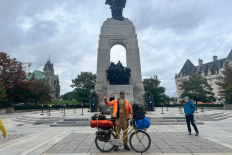
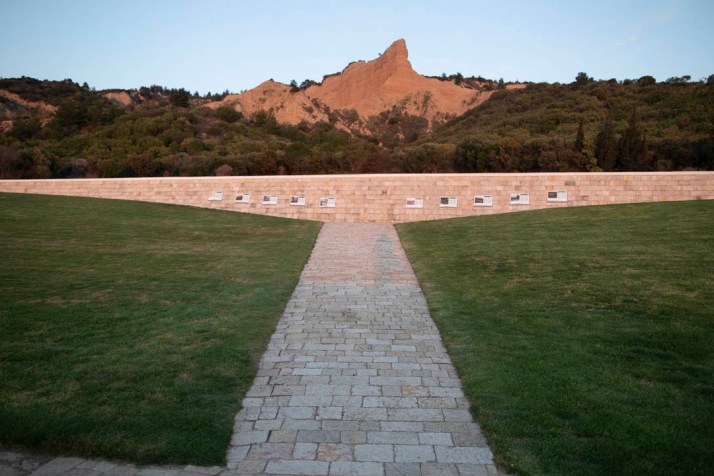
Ten years ago, former Premier Mike Rann visited Gallipoli for the first time. Here’s what has stayed with him, a decade on.
Help our journalists uncover the facts, support independent journalism.
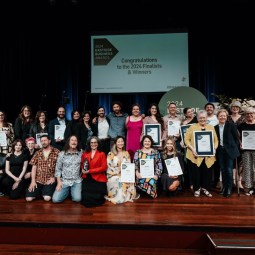
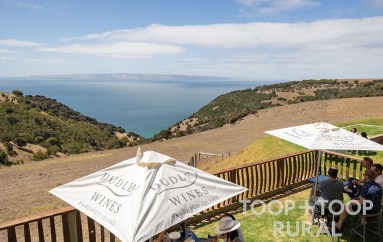
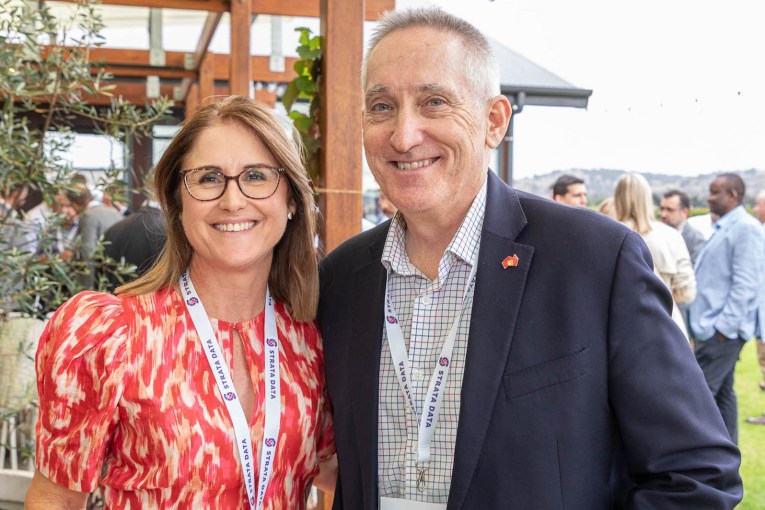
The Urban Development Institute held its annual state conference in the Barossa Valley.
Tuesday, April 23
Monday, April 22
Friday, April 19
We strive to deliver the best local independent coverage of the issues that matter to South Australians.