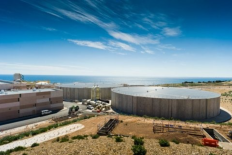
Eyre Peninsula’s Tod Reservoir, once the region’s main water storage, is now contaminated with potentially dangerous farming chemicals and pathogens, a Freedom of Information request has revealed.
Carcinogenic chemicals include the chemical Simazine and low levels of DDT, as well as pathogens including cryptosporidium.
De spite remaining part of SA Water’s long-term plan for the Eyre Peninsula, the reservoir is no longer considered a safe alternative source of drinking water.
SA Water claims the reservoir is closed due to high salinity caused by low water levels.
But speculation that Tod water was contaminated prompted local MP Liz Penfold to seek official water test results.

The information revealed the presence of potentially dangerous chemicals at higher levels than Australian drinking water guidelines.
SA Water initially claimed the Tod water was not being investigated for contamination, but later acknowledged it contained “low levels of pesticides, colour and nutrients”.
The contamination was discovered in 2007 when considering the reservoir as a potential site for a desalination plant. SA Water said the plan was discarded as the catchment could not guarantee a stable water supply.
The stagnant reservoir has now been proposed for recreational use.
Eyre Peninsula is in dire need of water. Generations of over-use and recent years of drought drained ground-water essential for agriculture and mining. The region is now reliant on Murray water pumped 800 kilometres as far as Ceduna.
Several desalination proposals have been planned for almost a decade, but not one publicly-owned plant has been built.
“Because the reservoir remains as a contingency supply, there is no public health risk and therefore no need for us to investigate further,” an SA Water spokesperson said this week.
SA Water said if the reservoir was opened for recreation it would be up to the contractor to remediate the water.
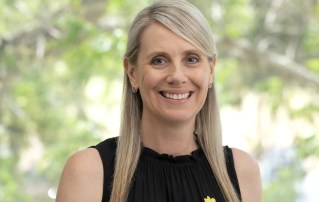
“There are lots of potential uses for this water source and it’s there to be used. They abandoned the desalination plant but we didn’t hear anything about why,” Ms Penfold said.
“You’d think the environmental people would have decided they couldn’t send water downstream before spending a million dollars investigating it.”
Ms Penfold said it was impossible to fully understand what’s in the water without more information.
But she said Eyre Peninsula was in a diabolical situation with water and couldn’t afford to leave its assets idle.
“To have it sitting there doing nothing seems a waste of a resource, and if we can’t use it for drinking water, then we need to see what else we can use it for,” Ms Penfold said.
Port Lincoln Mayor Peter Davis has also called for the reopening of the Tod, which has a capacity of 11,000 megalitres although water levels are now low due to the drought.
He said the reservoir was a vital resource that could be restored and used to increase water supplies in the Eyre Peninsula.
“Given that there may be this toxic chemical, Simazine, in there which has come off farmers’ paddocks over the past 50 years or whatever it is, I don’t know, ergo you can’t use the water,” Mr Davis said.
“This is a massive state resource going to waste. I think we need a bit of lateral thinking and it may cost a few bob, but we need to get our state water.”
Mr Davis proposed a plan which would see hyper-saline water drained from the Tod and the resultant water remediated.
Other Eyre Peninsula councils have refused to take over management of the reservoir, saying it is not a financial option.
“If it is contaminated you can’t have people using it,” Lower Eyre Peninsula Council mayor Julie Low said.
Meanwhile, landholders in the Polda Basin will today meet the SA Water, Department of Land, Water and Biodiversity Conservation and the EPNRM board to discuss their future.
The Polda Basin has depleted to the point that landholders are unable to access sufficient ground-water, forcing some to abandon their land. They believe basin mismanagement, including alleged over-withdrawal of water by government agencies, caused the current crisis and are now seeking compensation.